Appetite control is one of the most challenging aspects of maintaining a healthy weight and lifestyle. Whether you're working toward fitness goals or simply want to feel more in control of your eating habits, understanding how appetite works is the first step toward success.
Your appetite is regulated by a complex system involving hormones, brain signals, and metabolic factors. When this system is balanced, you naturally eat the right amount to fuel your body. When it's out of sync, cravings and overeating can become frustrating obstacles.
The Role of Hormones in Appetite Regulation
Two key hormones play major roles in controlling your appetite: ghrelin and leptin. Ghrelin is often called the "hunger hormone" because it signals your brain when it's time to eat. Leptin, on the other hand, is the "satiety hormone" that tells you when you're full. When these hormones are functioning optimally, you experience natural appetite control without constant willpower battles.
Sleep quality, stress levels, and nutrition all influence these hormonal signals. Poor sleep can increase ghrelin production, making you feel hungrier throughout the day. Chronic stress can disrupt leptin signaling, leading to overeating even when your body doesn't need fuel.
Practical Strategies for Better Appetite Management
Beyond hormonal balance, several lifestyle strategies can help you manage appetite more effectively. Staying hydrated is one of the simplest yet most overlooked approaches—thirst is often mistaken for hunger. Drinking water before meals can help you feel fuller faster and reduce overall calorie intake.
Eating protein-rich foods at each meal is another powerful strategy. Protein takes longer to digest than carbohydrates, keeping you satisfied for longer periods. Including fiber-rich vegetables also promotes fullness while providing essential nutrients.
Regular physical activity supports appetite control by improving hormonal balance and reducing stress. Even moderate exercise can help regulate ghrelin and leptin levels, making it easier to stick to your health goals.
Advanced Support for Appetite Control
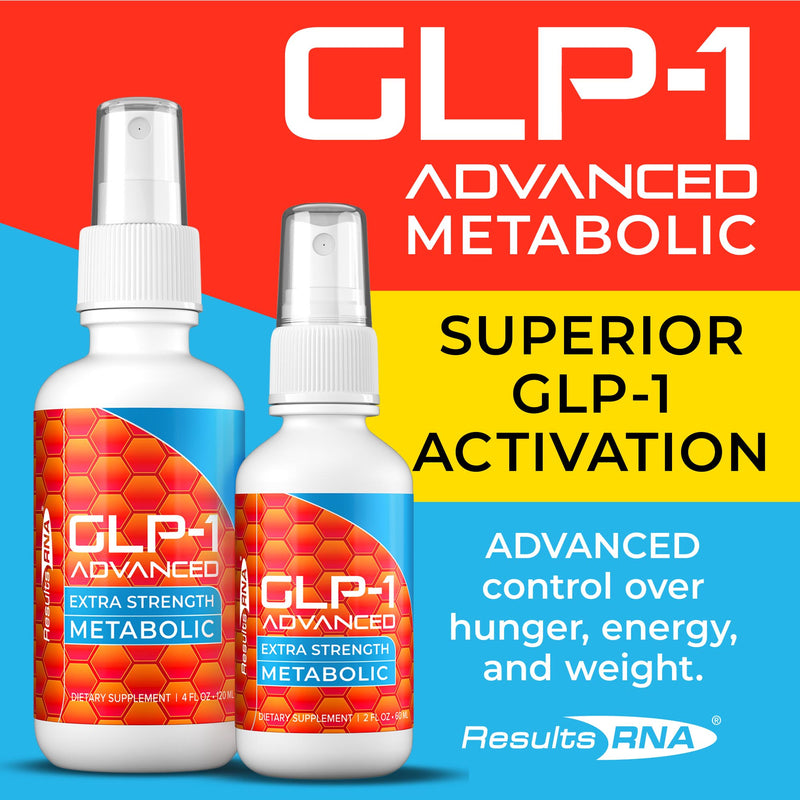
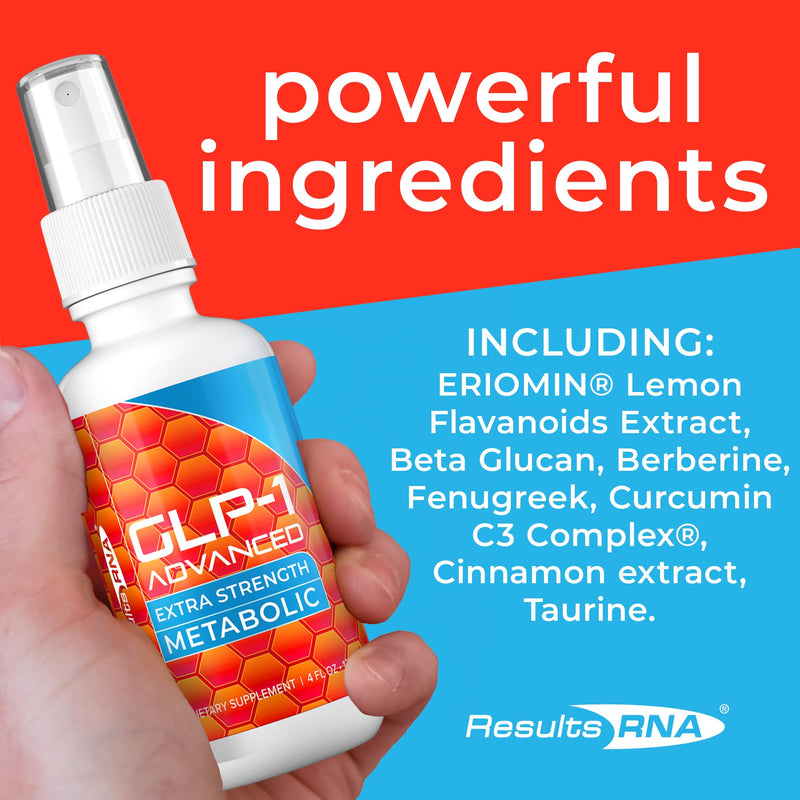
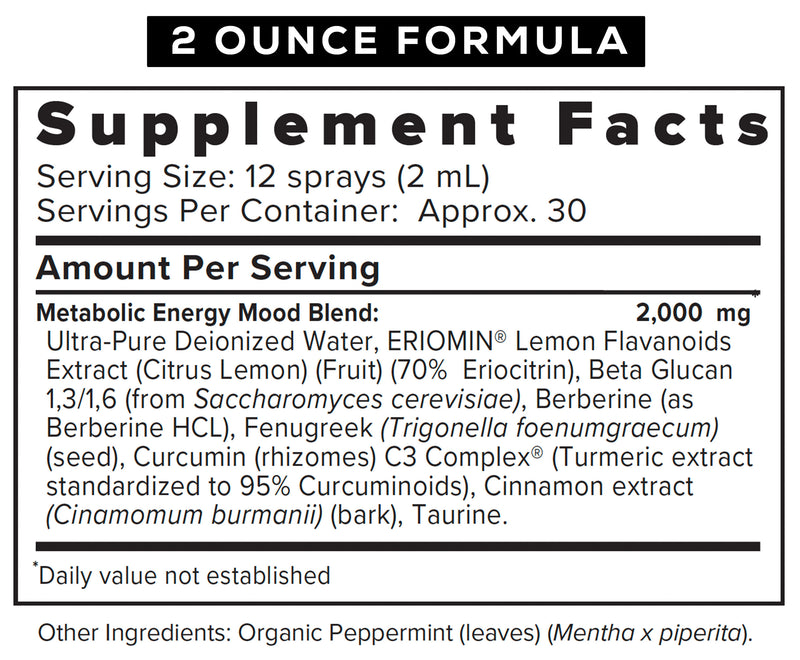
For those seeking additional support in their appetite management journey, advanced nutritional formulations can complement lifestyle strategies. Products designed to support healthy appetite regulation work by promoting balanced hormone signaling and metabolic function. When combined with proper nutrition, hydration, and exercise, these supplements can provide meaningful support for your wellness goals.
The key to sustainable appetite control is finding an approach that works with your body's natural systems rather than against them. By understanding the science behind hunger and satiety, and implementing both lifestyle changes and targeted nutritional support, you can achieve the appetite control that leads to lasting health improvements.