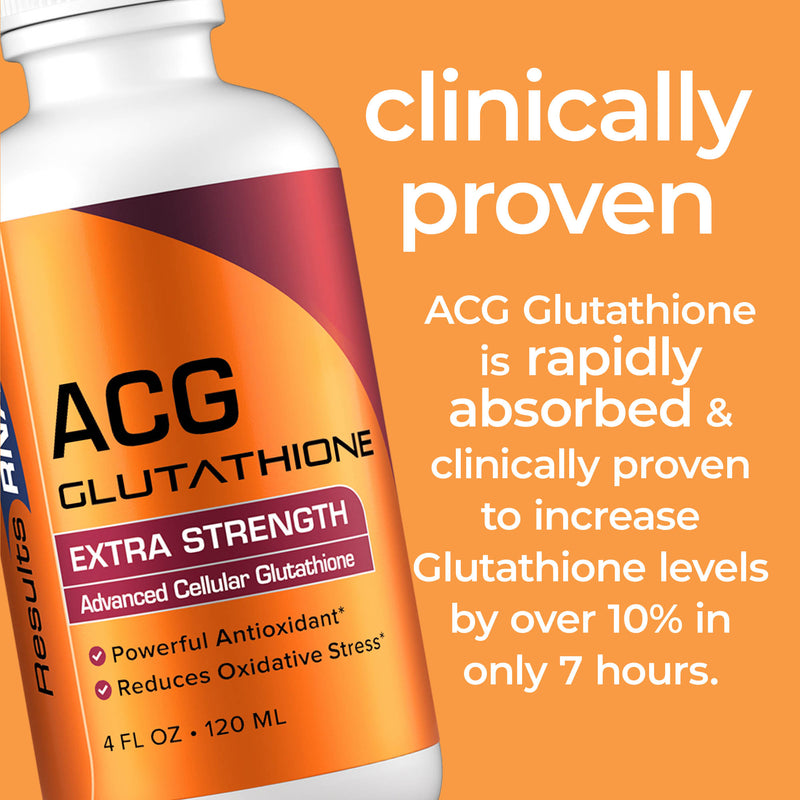
Cellular health depends on a continuous balance between metabolic activity and the body’s ability to regulate oxidative stress. Every day, normal physiological processes — along with environmental exposures such as air pollution, dietary factors, and lifestyle stressors — contribute to the production of reactive molecules within the body.
To maintain equilibrium, the body relies on antioxidant systems, including molecules such as glutathione, as well as enzyme pathways that protect cells from oxidative imbalance. While these systems are highly efficient, they are also influenced by daily habits.
Supporting antioxidant levels is not typically the result of a single intervention, but rather the cumulative effect of consistent lifestyle patterns that help maintain cellular resilience over time.
Oxidative Balance as a Daily Process
Oxidative stress is a natural outcome of metabolism. During energy production, immune activity, and detoxification, cells generate reactive oxygen species (ROS). These molecules serve important biological functions, including signaling and pathogen defense.
However, when ROS production exceeds the body’s antioxidant capacity, oxidative imbalance may affect cellular structures such as membranes, proteins, and DNA.
Maintaining redox balance requires continuous support from both endogenous antioxidant systems and external factors such as nutrition and lifestyle habits.
Nutritional Patterns That Support Antioxidant Systems
Diet plays a central role in supporting antioxidant pathways and cellular health.
Whole Foods and Antioxidant Diversity
Fruits, vegetables, nuts, seeds, and whole foods provide a wide range of antioxidant compounds, including:
These compounds work synergistically with endogenous systems like glutathione to help neutralize reactive molecules.
Protein and Amino Acid Availability
Adequate protein intake supports the availability of amino acids required for the synthesis of glutathione and other cellular components.
Cysteine, in particular, is a key precursor for glutathione production.
Micronutrient Support
Several micronutrients contribute to antioxidant enzyme function.
-
Selenium supports glutathione peroxidase activity
-
Zinc supports immune signaling and cellular repair
-
B vitamins support metabolic pathways involved in detoxification
Balanced nutrition helps maintain the biochemical environment required for antioxidant defense.
Hydration and Cellular Function
Water plays a critical role in supporting cellular processes, including nutrient transport, metabolic reactions, and waste removal.
Adequate hydration supports:
-
circulation of nutrients and antioxidants
-
kidney filtration and elimination of metabolic by-products
-
maintenance of mucosal barrier function
-
cellular osmotic balance
Because detoxification and antioxidant processes rely on efficient transport systems, hydration is essential for maintaining physiological balance.
Sleep and Circadian Rhythm Regulation
Sleep is a fundamental regulator of cellular repair and immune function. During sleep, the body engages in processes that support:
Circadian rhythms also influence antioxidant activity and detoxification pathways.
Disruptions in sleep patterns may affect oxidative balance and immune regulation, highlighting the importance of consistent sleep habits.
Physical Activity and Antioxidant Adaptation
Regular physical activity has been shown to influence antioxidant systems and metabolic health.
Moderate exercise supports:
-
improved circulation
-
enhanced mitochondrial function
-
adaptive increases in antioxidant enzyme activity
-
reduced systemic inflammation
Exercise represents a controlled physiological stress that can strengthen the body’s adaptive capacity over time.
However, excessive training without adequate recovery may temporarily increase oxidative stress, emphasizing the importance of balance.
Stress Management and Oxidative Balance
Psychological stress influences physiological processes through hormonal pathways involving cortisol and other mediators.
Chronic stress may affect:
-
immune signaling
-
inflammatory responses
-
oxidative balance
Stress-management strategies that support cellular health include:
Maintaining psychological well-being contributes to overall physiological resilience.
Environmental Awareness and Exposure Reduction
Environmental factors play a significant role in oxidative stress. Exposure to pollutants, chemicals, and ultraviolet radiation can increase the production of reactive molecules.
Reducing unnecessary exposure may help support antioxidant balance.
Practical strategies include:
-
improving indoor air quality
-
minimizing exposure to smoke and pollutants
-
using appropriate ventilation
-
reducing contact with unnecessary chemical irritants
While environmental exposures cannot be eliminated entirely, awareness and small adjustments can support long-term cellular health.
Supporting the Body’s Natural Antioxidant Systems
The body’s antioxidant systems, including glutathione, function as part of an integrated network that protects cells from oxidative imbalance.
Daily habits that support these systems include:
-
maintaining a nutrient-dense diet
-
supporting adequate protein intake
-
staying consistently hydrated
-
prioritizing sleep and recovery
-
engaging in regular physical activity
-
managing stress effectively
-
minimizing unnecessary environmental exposures
These foundational practices help maintain the conditions necessary for optimal cellular function.
Why Daily Habits Matter for Cellular Health
Cellular health is not determined by isolated interventions but by consistent patterns that support the body’s natural regulatory systems. Antioxidant pathways operate continuously, responding to both internal metabolic processes and external environmental factors.
By supporting these systems through daily habits, individuals can help maintain redox balance, support metabolic efficiency, and promote long-term physiological resilience.
Over time, these small, consistent actions contribute to the body’s ability to adapt, recover, and maintain equilibrium in a dynamic environment.
References
Sies H. (2017). Oxidative stress and redox biology. Redox Biology.
Halliwell B, Gutteridge JMC. Free Radicals in Biology and Medicine. Oxford University Press.
Calder PC et al. (2020). Nutrition and immune function. Nutrients.
Pizzino G et al. (2017). Oxidative stress and human health. Oxidative Medicine and Cellular Longevity.
National Institutes of Health (NIH). Antioxidants and health.
Gleeson M. (2007). Immune function and exercise. Journal of Applied Physiology.
This content is for educational purposes only and is not intended to diagnose, treat, cure, or prevent any disease. Statements on this page have not been evaluated by the Food and Drug Administration. Always consult a qualified healthcare professional regarding medical concerns.