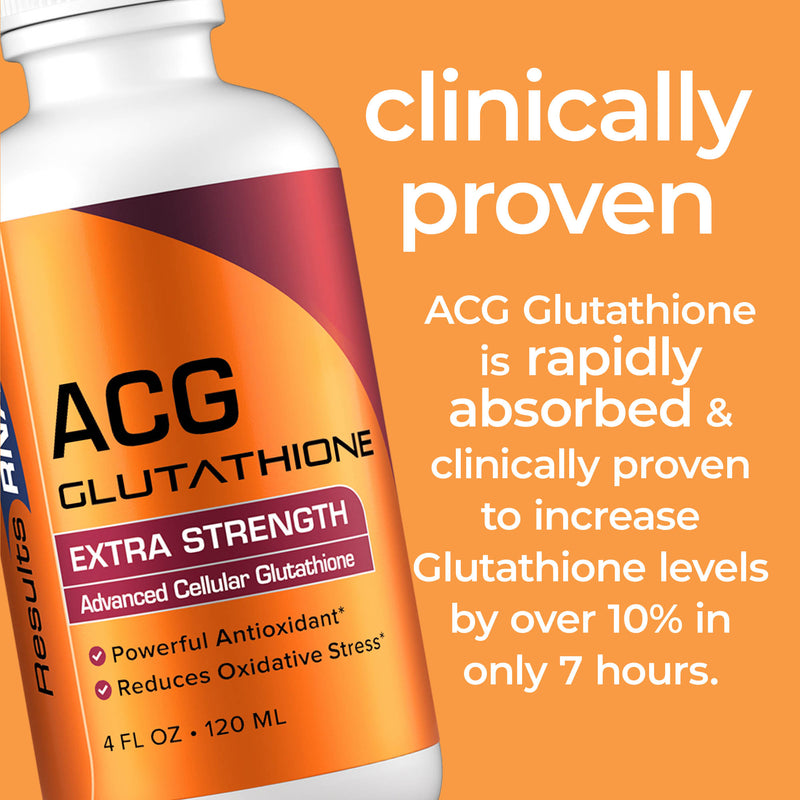
The human body is continuously exposed to both internally generated metabolic by-products and externally derived environmental compounds. To maintain physiological balance, the body relies on highly coordinated detoxification pathways that transform and eliminate these substances efficiently.
At the center of these processes is glutathione, a critical intracellular molecule that plays a dual role in both antioxidant defense and detoxification. By participating in enzymatic reactions that neutralize reactive compounds and facilitate their elimination, glutathione supports the body’s ability to maintain cellular integrity in a complex and ever-changing environment.
Understanding how glutathione interacts with detox pathways provides insight into its essential role in supporting long-term cellular health.
Detoxification as a Biological Process
Detoxification is a continuous biochemical process that involves the transformation and elimination of endogenous and exogenous compounds. These compounds include:
-
metabolic waste products generated during cellular activity
-
environmental substances such as pollutants and chemicals
-
dietary compounds and additives
-
by-products of immune and inflammatory responses
Rather than a single pathway, detoxification involves multiple organ systems — including the liver, kidneys, gastrointestinal tract, and lymphatic system — working together to maintain internal balance.
Phase I and Phase II Detoxification
Detoxification in the liver occurs primarily through two interconnected phases.
Phase I: Functionalization
Phase I reactions, largely mediated by cytochrome P450 enzymes, modify compounds through oxidation, reduction, or hydrolysis. These reactions introduce reactive groups that prepare substances for further processing.
However, Phase I metabolism can produce reactive intermediates, which may be more chemically active than the original compounds.
Phase II: Conjugation
Phase II detoxification involves conjugation reactions that bind these modified compounds to molecules that increase their water solubility, allowing them to be eliminated through bile or urine.
This is where glutathione plays a central role.
Glutathione in Phase II Detoxification
Glutathione participates directly in Phase II detoxification through a process known as glutathione conjugation.
During this process:
-
glutathione binds to reactive intermediates
-
the resulting conjugates become more water-soluble
-
these compounds are transported out of cells and prepared for elimination
This mechanism helps neutralize potentially reactive compounds and supports their safe removal from the body.
Enzymes known as glutathione S-transferases (GSTs) catalyze these reactions, making glutathione a key component of cellular detoxification systems.
Protection Against Reactive Intermediates
One of the most important roles of glutathione is protecting cells from reactive intermediates generated during detoxification.
Without adequate antioxidant support, these intermediates may interact with cellular components such as:
-
lipids in cell membranes
-
structural proteins
-
DNA
Glutathione helps neutralize these compounds before they can affect cellular integrity, supporting safe and efficient metabolic processing.
Cellular Detoxification Beyond the Liver
While the liver is the primary site of detoxification, glutathione functions throughout the body at the cellular level.
Cells in various tissues use glutathione to:
-
neutralize reactive oxygen species
-
support mitochondrial function
-
maintain intracellular redox balance
-
assist in the transport of toxins out of cells
This widespread presence highlights glutathione’s importance in systemic cellular protection.
Glutathione and Mitochondrial Protection
Mitochondria are both a major source of reactive oxygen species and a key target of oxidative damage.
Glutathione within mitochondria helps:
-
neutralize reactive molecules generated during energy production
-
protect mitochondrial membranes
-
support efficient ATP generation
-
maintain metabolic stability
Because mitochondrial function is essential for energy production and cellular health, glutathione plays a critical role in maintaining these processes.
Detoxification and Immune Function
Detoxification pathways and immune responses are closely linked. During immune activation, the body produces reactive molecules to combat pathogens. These processes generate metabolic by-products that must be neutralized and eliminated.
Glutathione supports immune-related detox processes by:
-
regulating oxidative stress during immune responses
-
protecting immune cells from damage
-
supporting the resolution of inflammation
-
contributing to cellular recovery after immune activation
This interplay between detoxification and immunity highlights the importance of maintaining antioxidant balance.
Factors That Influence Glutathione and Detox Capacity
Several factors can influence glutathione levels and detoxification efficiency.
Nutritional Factors
Adequate intake of amino acids — especially cysteine — supports glutathione synthesis. Nutrients such as selenium, B vitamins, and vitamin C also support detox enzyme activity.
Environmental Exposure
Exposure to pollutants, chemicals, and toxins increases demand for detoxification and antioxidant systems.
Lifestyle Factors
Sleep, stress, and physical activity influence metabolic balance and antioxidant utilization.
Aging
Research suggests that glutathione levels may decline with age, which may influence cellular antioxidant capacity.
Supporting these factors may help maintain effective detox pathways.
Supporting Detox Pathways Through Lifestyle
Scientific evidence supports several lifestyle practices that help maintain detoxification efficiency and cellular protection.
-
consuming nutrient-dense, whole foods
-
supporting adequate protein intake
-
staying well hydrated
-
engaging in regular physical activity
-
prioritizing sleep and recovery
-
minimizing unnecessary environmental exposures
These practices support both detoxification pathways and antioxidant systems.
Why Glutathione Matters for Cellular Protection
Glutathione serves as a central link between detoxification and cellular defense. By participating in conjugation reactions, neutralizing reactive intermediates, and maintaining redox balance, it helps protect cells from metabolic and environmental stress.
Rather than functioning in isolation, glutathione operates within an integrated network of detoxification enzymes, antioxidant systems, and immune processes. Supporting these interconnected systems helps maintain physiological balance and long-term cellular health.
References
Lu SC. (2013). Glutathione synthesis. Biochimica et Biophysica Acta.
Halliwell B, Gutteridge JMC. Free Radicals in Biology and Medicine. Oxford University Press.
Townsend DM, Tew KD, Tapiero H. (2003). The importance of glutathione in human disease. Biomedicine & Pharmacotherapy.
Klaassen CD. Casarett & Doull’s Toxicology: The Basic Science of Poisons.
Sies H. (2017). Oxidative stress and redox biology. Redox Biology.
National Institute of Environmental Health Sciences (NIEHS). Detoxification pathways and xenobiotic metabolism.
This content is for educational purposes only and is not intended to diagnose, treat, cure, or prevent any disease. Statements on this page have not been evaluated by the Food and Drug Administration. Always consult a qualified healthcare professional regarding medical concerns.