At the core of human physiology lies a dynamic balance between the production of reactive molecules and the body’s ability to neutralize them. This balance, known as redox homeostasis, is essential for maintaining cellular integrity, metabolic efficiency, and immune function.
One of the central challenges to this balance is oxidative stress, a biological process that occurs when reactive molecules accumulate beyond the capacity of the body’s antioxidant defenses. While oxidative stress is a normal part of metabolism and immune activity, maintaining equilibrium is critical for long-term cellular health.
Understanding oxidative stress — and the antioxidant systems that regulate it — provides insight into how the body protects itself at the most fundamental level.
What Is Oxidative Stress?
Oxidative stress refers to an imbalance between:
Reactive oxygen species are chemically reactive molecules that contain oxygen and are generated during normal physiological processes, including:
-
mitochondrial energy production
-
immune defense mechanisms
-
detoxification reactions
-
exposure to environmental factors such as pollution and UV radiation
At controlled levels, these molecules serve important biological roles. However, when their production exceeds the body’s ability to neutralize them, oxidative stress may influence cellular structures and biochemical pathways.
The Role of Reactive Oxygen Species in Physiology
Reactive oxygen species are not inherently harmful. In fact, they are essential for several physiological functions.
Immune Defense
Immune cells such as neutrophils and macrophages generate reactive oxygen species during a process called the respiratory burst, which helps destroy pathogens.
Cellular Signaling
Reactive molecules participate in intracellular signaling pathways that regulate gene expression, cellular adaptation, and metabolic processes.
Adaptation to Stress
Low to moderate levels of oxidative stress can stimulate adaptive responses that strengthen cellular defense systems.
Maintaining balance — rather than eliminating reactive molecules entirely — is the key to optimal physiological function.
How Oxidative Stress Affects Cells
When reactive oxygen species accumulate beyond the body’s antioxidant capacity, they may interact with cellular components.
Potential effects include:
-
lipid peroxidation, affecting cell membrane integrity
-
protein oxidation, altering enzyme structure and function
-
DNA modification, influencing genetic stability
These processes are part of normal cellular turnover, but excessive imbalance may contribute to cellular stress.
The Body’s Antioxidant Defense Systems
To maintain redox balance, the body relies on a sophisticated network of antioxidant systems that neutralize reactive molecules and protect cellular structures.
These defenses include both endogenous (internally produced) and exogenous (diet-derived) antioxidants.
Endogenous Antioxidant Systems
Glutathione: The Central Antioxidant
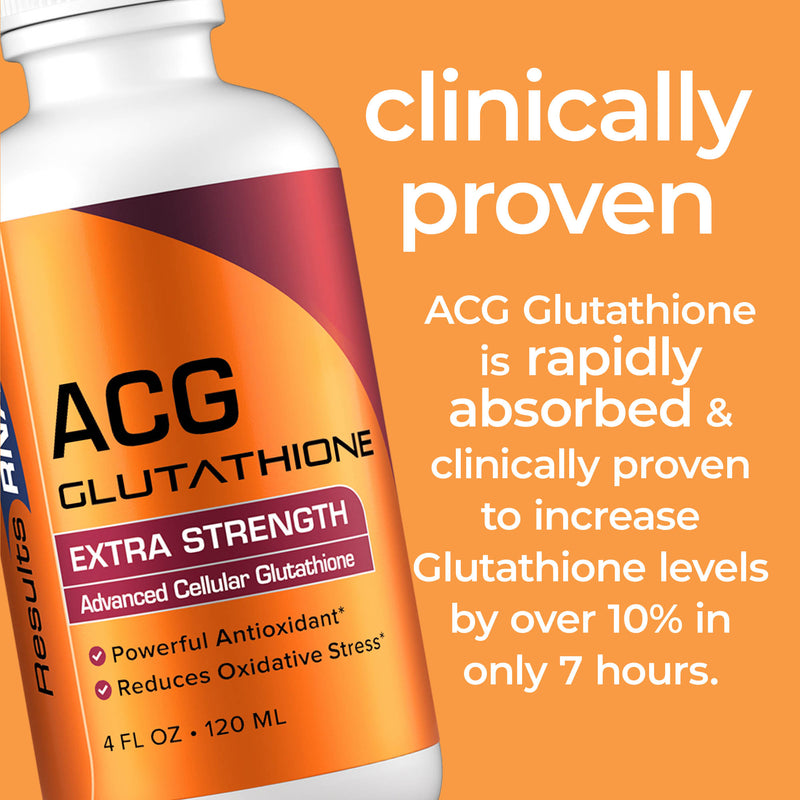
Glutathione is one of the most important intracellular antioxidants. It plays a central role in:
-
neutralizing reactive oxygen species
-
supporting detoxification pathways
-
maintaining redox balance within cells
-
regenerating other antioxidants
Its ability to cycle between reduced (GSH) and oxidized (GSSG) forms allows it to act as a dynamic regulator of oxidative balance.
Superoxide Dismutase (SOD)
SOD converts superoxide radicals into hydrogen peroxide, which can then be further neutralized by other antioxidant systems.
Catalase
Catalase breaks down hydrogen peroxide into water and oxygen, preventing the accumulation of reactive molecules within cells.
Glutathione Peroxidase
This enzyme uses glutathione to reduce peroxides and protect cellular membranes from oxidative damage.
Dietary Antioxidants and Their Role
In addition to endogenous systems, dietary antioxidants support the body’s ability to manage oxidative stress.
Vitamin C
A water-soluble antioxidant that helps neutralize reactive molecules and regenerate other antioxidants.
Vitamin E
A fat-soluble antioxidant that protects cell membranes from oxidative damage.
Selenium
A trace mineral required for the activity of antioxidant enzymes such as glutathione peroxidase.
Polyphenols and Flavonoids
Plant-derived compounds found in fruits, vegetables, and herbs that contribute to antioxidant defense and cellular signaling.
A diet rich in diverse, whole foods provides a broad spectrum of antioxidant compounds that complement the body’s internal systems.
Oxidative Stress and Detoxification
Oxidative stress and detoxification are closely interconnected processes. During detoxification — particularly Phase I liver metabolism — reactive intermediates may be generated.
Antioxidant systems, including glutathione, help neutralize these intermediates and support safe metabolic processing.
This coordination between detox pathways and antioxidant defenses is essential for maintaining cellular stability.
Environmental and Lifestyle Influences
Several external and internal factors can influence oxidative stress levels.
Environmental Factors
Lifestyle Factors
The body continuously adapts to these influences through antioxidant defenses and metabolic regulation.
Supporting the Body’s Antioxidant Systems
Scientific evidence supports several lifestyle practices that help maintain oxidative balance.
-
consuming a diet rich in fruits and vegetables
-
ensuring adequate intake of essential nutrients
-
engaging in regular physical activity
-
maintaining consistent sleep patterns
-
managing stress effectively
-
minimizing unnecessary environmental exposures
These habits support both endogenous antioxidant systems and overall physiological resilience.
Why Oxidative Balance Matters
Oxidative stress is a natural and unavoidable aspect of life. The body’s ability to regulate reactive molecules through antioxidant systems is essential for maintaining cellular integrity, metabolic function, and immune balance.
Glutathione and other antioxidant pathways serve as critical regulators of this balance, helping the body adapt to internal metabolic processes and external environmental challenges.
By supporting these systems through nutrition and lifestyle, individuals can help maintain long-term cellular health and overall wellness.
References
Halliwell B, Gutteridge JMC. Free Radicals in Biology and Medicine. Oxford University Press.
Sies H. (2017). Oxidative stress: concept and implications. Redox Biology.
Lobo V et al. (2010). Free radicals, antioxidants and functional foods. Pharmacognosy Review.
Pizzino G et al. (2017). Oxidative stress: harms and benefits for human health. Oxidative Medicine and Cellular Longevity.
National Institutes of Health (NIH). Antioxidants and oxidative stress.
Calder PC et al. (2020). Nutrition and immune function. Nutrients.
This content is for educational purposes only and is not intended to diagnose, treat, cure, or prevent any disease. Statements on this page have not been evaluated by the Food and Drug Administration. Always consult a qualified healthcare professional regarding medical concerns.